
Introduction
Bottle refusal is a common challenge many parents face during their feeding journey. It can disrupt routines and place unwanted stress on both parent and baby. However, choosing the right bottle can significantly ease this transition and create a harmonious feeding experience. This article highlights the best bottles designed to tackle bottle refusal in 2024, providing comfort and acceptance.
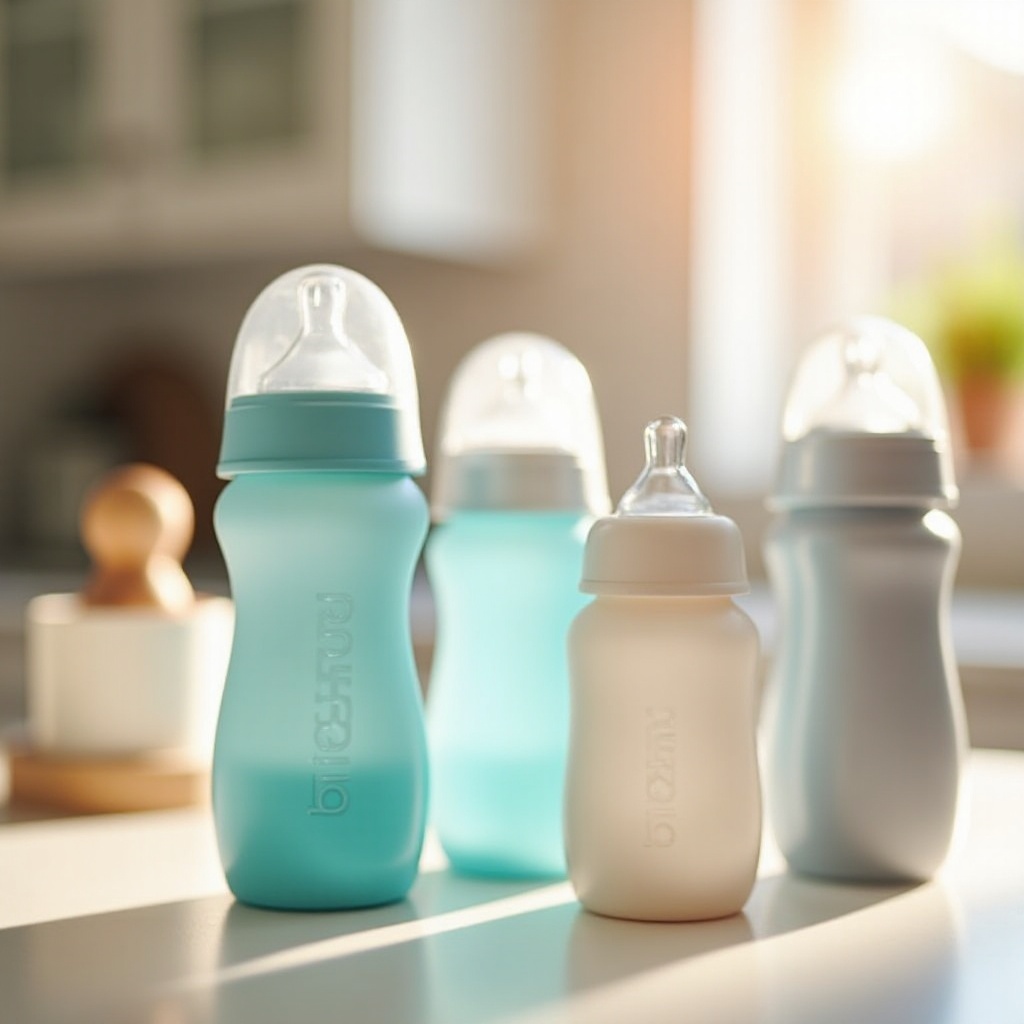
Understanding Bottle Refusal
Bottle refusal is when a baby consistently rejects feeding from a bottle. Understanding the root causes helps in crafting an effective solution. Common reasons include a preference for breastfeeding, discomfort from teething, or dissatisfaction with the bottle’s design or flow. Recognizing these signs allows parents to make informed choices that cater directly to their baby’s needs. By aligning the bottle features with these insights, parents can foster a smoother feeding experience.

Key Features to Look for in Bottles for Bottle Refusal
Choosing a bottle requires consideration of specific attributes that can mitigate bottle refusal:
– Material and Design: Opt for BPA-free materials that are safe for your baby, considering an ergonomic shape for easy holding.
– Nipple Flow: Find the right flow rate that matches your baby’s natural feeding pace.
– Anti-Colic Technology: Bottles with this feature can reduce gas and discomfort, improving feeding acceptability.
– Breast-like Nipples: Nipples designed to mimic the breast can make the transition easier for breastfed babies.
Selecting bottles with these characteristics boosts confidence in your choice, further encouraging acceptance.
Top Bottle Picks for Bottle Refusal in 2024
Explore the top bottles of 2024 made to resolve bottle refusal:
1. Comotomo Baby Bottle
– Its soft, squeezable design and naturally-shaped nipple mimics breastfeeding, reducing confusion.
2. Tommee Tippee Closer to Nature Bottle
– A breast-like shape and slow-flow nipple offer a familiar feeding experience, enhanced by an advanced venting system to minimize gas.
3. Philips Avent Natural Baby Bottle
– Features a wide, breast-shaped nipple that encourages a natural latch, complete with an anti-colic valve for comfort.
Trying these bottles can significantly increase the likelihood of acceptance, aligning with your baby’s needs.
Tips for Encouraging Bottle Acceptance
Once you’ve chosen the right bottles, implementing these practices can help:
– Introduce the Bottle Early: Even when breastfeeding, occasionally offer the bottle to avoid resistance.
– Create a Relaxing Environment: Choose a calm setting for feeding to help your baby relax and adapt.
– Experiment with Temperatures: Test different milk temperatures to find what’s most comforting for your baby.
– Involve Other Caregivers: Let partners or family members offer the bottle to create positive, inclusive experiences at feeding time.
These strategies can make your selected bottles even more effective, creating a supportive context for bottle feeding.
Role of Bottle & Food Warmers in Managing Bottle Refusal
Modern feeding equipment elevates the bottle-feeding experience, with bottle warmers playing an essential role:
– Consistent Temperature: Ensures milk is warmed evenly without hot spots, resembling the warmth of breastfeeding.
– Ease of Use: Portable, intuitive warmers make preparing bottles straightforward, even on the go.
Incorporating a reliable warmer enhances the overall feeding routine, giving your baby a comforting experience that encourages acceptance.
Additional Tips for Parents Tackling Bottle Refusal
Some challenges may persist despite employing advanced equipment and techniques. Consider these approaches:
– Stay Patient and Persistent: The transition requires time, consistency, and gentle persistence.
– Seek Expert Advice: Consulting pediatricians or lactation experts can provide valuable, personalized insights.
– Acknowledge Progress: Celebrating small victories helps maintain motivation and a positive outlook on the feeding journey.
With these supportive approaches and the right tools, tackling bottle refusal becomes a more manageable task.
Conclusion
Selecting the appropriate bottle is pivotal in overcoming bottle refusal. By understanding the core challenges and utilizing innovative bottles along with complementary warmers, parents transform feeding interactions into enjoyable and stress-free moments. Embrace flexibility and patience as you explore these solutions, allowing feeding time to become a cherished part of your day.
Frequently Asked Questions
What are the signs of bottle refusal in infants?
Signs include turning away from the bottle, crying or fussiness when the bottle is offered, and a general lack of interest during feeding times.
How can I help my baby accept the bottle?
Gradually introduce the bottle, experiment with different bottles and nipples, and ensure a comforting and familiar environment during feeding.
Are there specific bottle materials that work best for refusal?
Many parents find that BPA-free bottles with soft, silicone nipples closely resembling the breast create a more successful transition for their babies.