
Introduction
The market for baby products is evolving as parents seek sustainable options with minimal environmental impact. Biodegradable diapers are gaining popularity due to their reduced ecological footprint and potential health benefits. By choosing biodegradable diapers, parents can contribute to a healthier planet while ensuring comfort and safety for their little ones. This blog explores the essentials of biodegradable diapers, their advantages, leading brands, and practical tips for a seamless transition.

Understanding Biodegradable Diapers
Biodegradable diapers are crafted from materials designed to decompose more rapidly than conventional plastic-based diapers. Let’s delve into the specifics that make these diapers an environmentally friendly choice.
Key Characteristics of Biodegradable Materials
Biodegradable diapers primarily consist of natural fibers like bamboo, cotton, and plant-based materials. These materials are selected for their ability to break down quickly when exposed to elements like air and moisture. Additionally, biodegradable diapers tend to avoid harmful chemicals found in regular diapers, making them gentler on babies’ skin.
How Biodegradable Diapers Differ from Conventional Diapers
Unlike conventional diapers, which can take centuries to decompose, biodegradable diapers break down within months or years. Their natural components facilitate this process, highlighting a stark contrast to plastic-based materials traditionally used.
With an understanding of their composition, let’s explore the broader benefits of biodegradable diapers to comprehend their true value.
Benefits of Choosing Biodegradable Diapers
Biodegradable diapers offer numerous benefits beyond environmental conservation, addressing health concerns for babies and practical considerations for parents.
Environmental Advantages
Choosing biodegradable diapers significantly reduces landfill waste. As these diapers decompose faster, they help mitigate pollution and preserve natural resources. The decrease in non-biodegradable waste contributes to a cleaner and more sustainable planet.
Health Benefits for Babies
Biodegradable diapers are often free from synthetic dyes and fragrances, which can cause skin irritation for infants. The use of natural materials means fewer chemicals come into contact with your baby’s delicate skin, potentially leading to fewer diaper rashes.
Understanding both lifestyle and environmental advantages articulates why biodegradable options are favored by many. Next, we’ll explore the top brands leading the charge in eco-friendly solutions.
Top Biodegradable Diaper Brands to Consider in 2024
Choosing a reliable brand is crucial for ensuring the quality and function of biodegradable diapers. Here, we explore some top contenders that trusted parents recommend.
Brand Overview
In 2024, several brands stand out for their commitment to sustainability and baby safety. Hours of research and user feedback highlight top performers known for their eco-friendly and skin-safe qualities.
Features That Set Them Apart
The best biodegradable diapers are recognized for absorbency, softness, and thoughtful design. Consumers value brands offering dye-free and scent-free options, emphasizing natural components for minimal environmental impact.
Having identified leading brands, it’s essential to discern what factors will guide your selection.
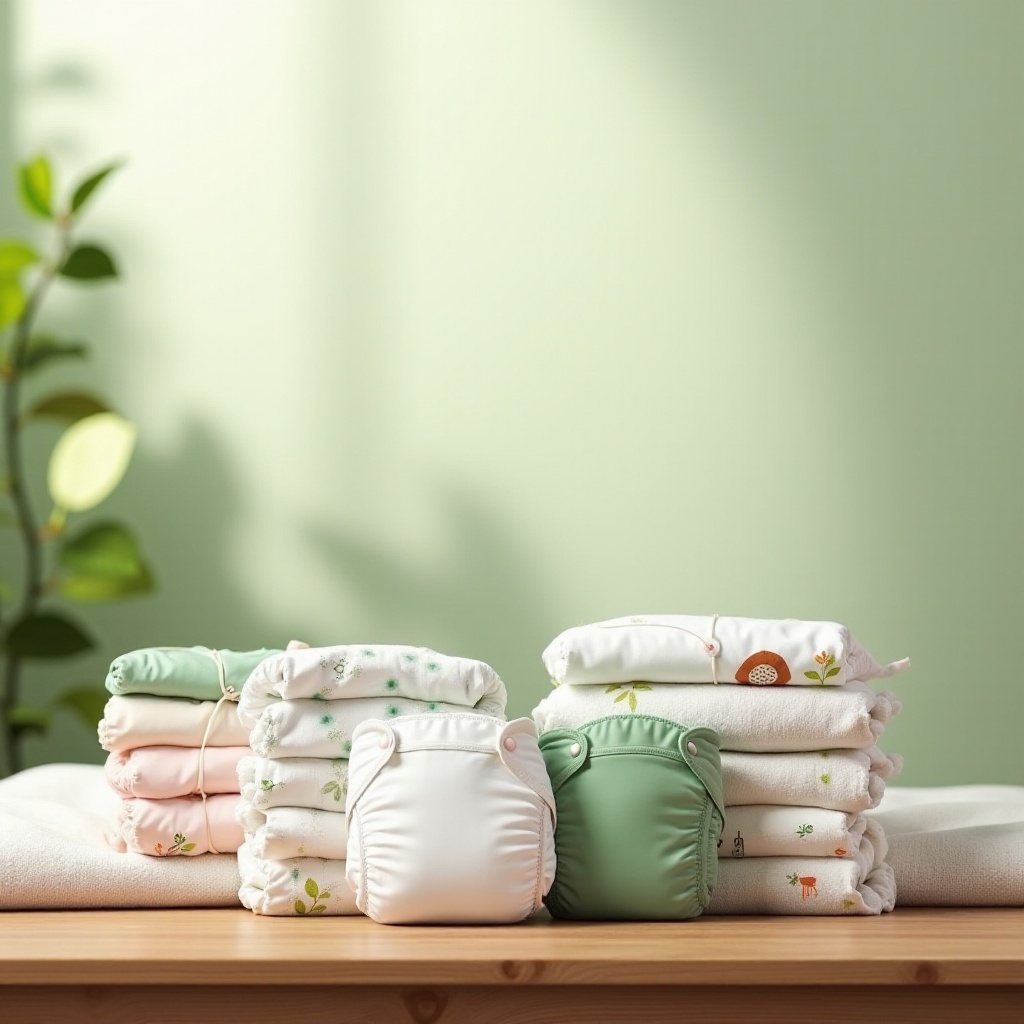
Factors to Consider When Selecting Biodegradable Diapers
Deciding which biodegradable diaper suits your baby involves evaluating several vital aspects to ensure comfort and eco-friendliness.
Price vs. Value
Biodegradable diapers may seem pricier upfront; however, their environmental benefits and safety features often justify the investment. Some brands offer cost-effective bundles and subscription services that can be more economical over time.
Performance and Absorbency
It’s crucial to choose a diaper that effectively absorbs moisture while maintaining comfort. Consider reviews and product specifications to assess the diaper’s performance.
Once equipped with selection criteria, we move to practical advice for switching to biodegradable solutions.
Making the Switch: Tips for Transitioning to Biodegradable Diapers
Transitioning to biodegradable diapers doesn’t have to be challenging. Here are practical tips to help parents make an informed switch.
- Opt for trial packs from different brands to identify the best fit for your baby.
- Monitor your baby’s reaction to ensure the diapers don’t cause irritation.
- Gradually replace your existing diaper stock with biodegradable options.
- Research brands thoroughly, focusing on user reviews and environmental certifications.
As you embark on the transition, understanding experiences from other parents can provide reassurance.

Consumer Insights: Reviews and Testimonials
Hearing from other parents can provide valuable insights into the effectiveness and advantages of biodegradable diapers. Many parents praise these diapers for gentleness on sensitive skin and sustainable design. Positive reviews underscore the confidence parents have in their eco-friendly choices, making it easier for new adopters to trust these products.
Conclusion
Biodegradable diapers offer an opportunity for parents to make environmentally responsible choices without compromising comfort and safety for their babies. As the world increasingly focuses on sustainability, these diapers emerge as a solution for conscientious parenting. By exploring brands and understanding the distinct benefits of biodegradable materials, parents can make informed, impactful decisions benefiting both their children and the planet.
Frequently Asked Questions
How long do biodegradable diapers take to decompose?
Biodegradable diapers typically decompose within months to a few years, significantly faster than conventional diapers.
Are biodegradable diapers safe for sensitive skin?
Yes, biodegradable diapers are often free of harsh chemicals and synthetic fragrances, making them safer for sensitive skin.
Can biodegradable diapers be composted at home?
While some biodegradable diapers can be composted, it’s essential to check the specific guidelines provided by the manufacturer.