
Introduction
Bluetooth speakers have come a long way, yet the 3.5 mm input remains an essential feature for many users. This connectivity option offers unparalleled flexibility, allowing users to effortlessly connect multiple audio sources. In this guide, we’ll delve into the reasons why Bluetooth speakers with 3.5 mm input are gaining popularity, highlight key features to consider in 2024, and provide top product recommendations so readers can make the most informed decisions.
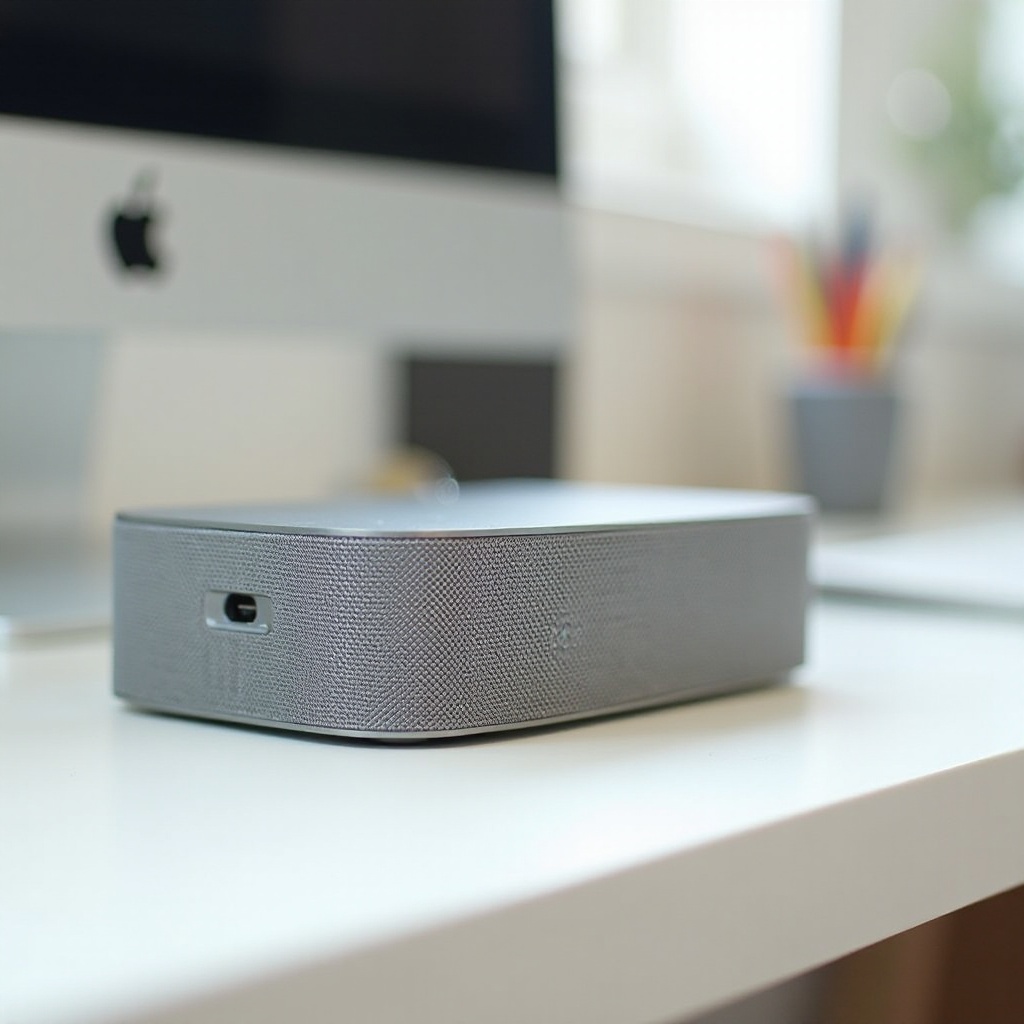
Why Choose a Bluetooth Speaker with a 3.5 mm Input?
Combining Bluetooth technology with a 3.5 mm input offers users the best of both worlds. It allows for wireless freedom while maintaining compatibility with a host of audio devices that may not support Bluetooth functionality. Moreover, the 3.5 mm input ensures uninterrupted, high-quality sound by eliminating the potential for wireless interference, which can be prevalent in some environments. Here are a few scenarios where having both options becomes incredibly useful:
- Devices Without Bluetooth: You can easily connect older MP3 players or any device lacking Bluetooth through the 3.5 mm input.
- Audio Fidelity: Wired connections typically provide more robust and consistent sound, free from the compression seen in Bluetooth audio.
- Battery Conservation on Devices: Utilizing the 3.5 mm input conserves the battery life on smartphones or tablets, as there is no need to keep Bluetooth enabled.
Understanding these advantages connects us to the next section, which discusses the features essential for making the most of this dual connectivity.
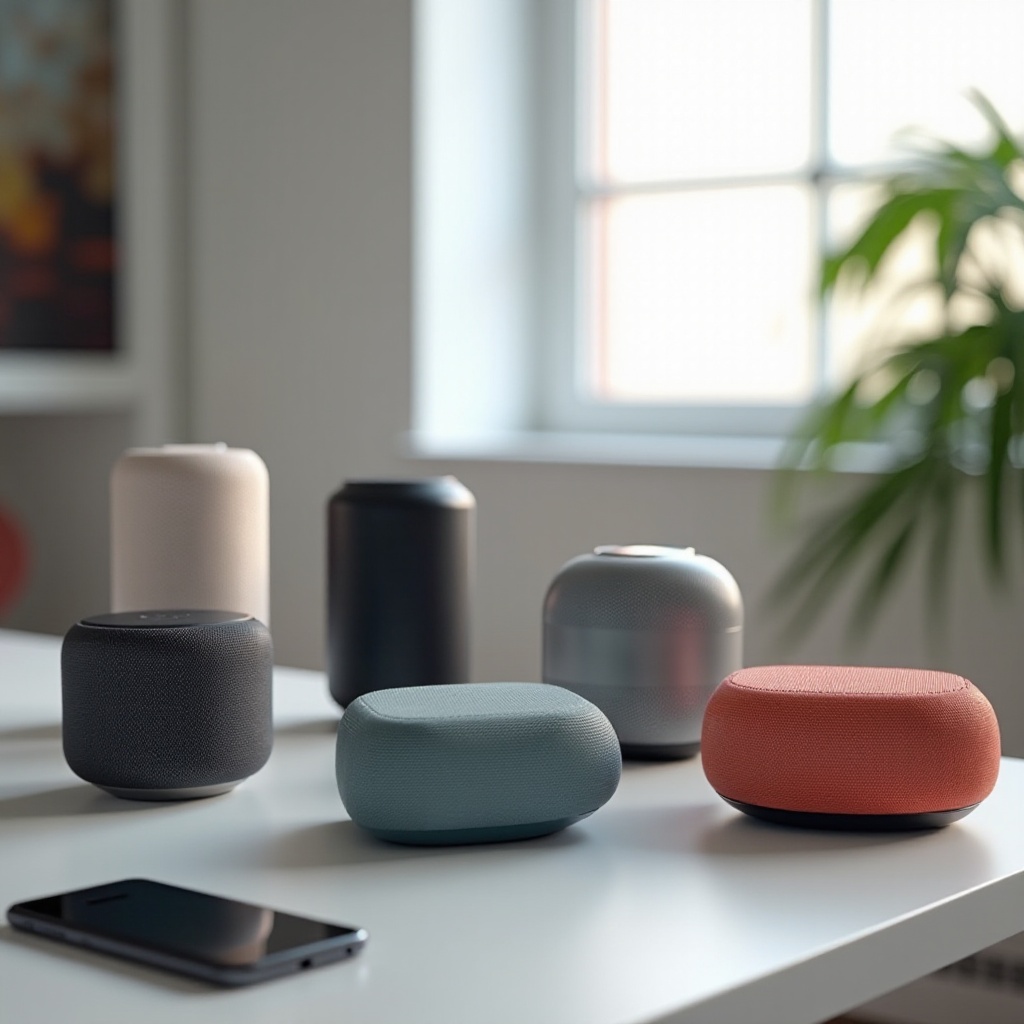
Key Features to Look for in 2024
As you shop for a Bluetooth speaker with a 3.5 mm input, certain key features should top your list of priorities to ensure excellent performance and durability:
-
Audio Quality and Performance: Opt for speakers with high-quality drivers and built-in amplification systems. This ensures you enjoy crisp sounds and rich bass lines that bring your music to life.
-
Portability and Battery Life: Weigh your options between lightweight designs and longer-lasting batteries to best suit your mobile auditory needs without constant charges.
-
Durability and Build Quality: Consider models made of sturdy materials that offer water-resistant features. These are ideal for outdoor adventures or any environment where they may be exposed to the elements.
Choosing the right features can enhance your user experience and ensure longevity, which naturally leads us to discuss our top picks that incorporate these components.
Top Bluetooth Speakers with 3.5 mm Input
After understanding the critical features, here are our top Bluetooth speaker picks for 2024 you should consider:
-
Premium Pick: Product A
This speaker stands out for its exceptional sound quality and cutting-edge design. It features customizable sound profiles and a sleek, durable exterior—ideal for audiophiles seeking high-end performance. -
Best for Budget: Product B
Perfect for those looking for affordability without sacrificing quality, Product B offers a well-balanced audio experience complemented by robust connectivity. It caters to budget-conscious individuals who still crave quality sound. -
Most Versatile: Product C
With exceptional compatibility and an intuitive interface, this speaker seamlessly caters to diverse audio sources. It’s an excellent choice for users who require adaptability across various devices and scenarios.
Understanding what each product offers allows you to weigh decisions based on budget, desired sound quality, and you’re intended using scenarios. We will now explore how to optimize the performance of the speaker you choose.
How to Optimize Your Speaker’s Performance
Once you’ve selected a speaker, it’s crucial to maximize its capabilities with some optimization strategies:
-
Setting Up Dual Connections: Utilize both Bluetooth and the 3.5 mm input to switch effortlessly between wireless and wired devices.
-
Adjusting Audio Settings for Maximum Quality: Explore your device’s equalizer settings to enhance sound clarity and bass response. Depending on your speaker and device, tweaking these settings can significantly improve your experience.
-
Placement and Environment Tips: Position your speakers at ear level and away from obstructions to ensure optimal sound dispersion. Avoid placement near walls or along corners to minimize bass distortion.
These tweaks can noticeably elevate your listening experience whether you’re hosting an event or indulging in personal relaxation sessions, and set the stage for expectations in audio technology trends.
The Future of Audio Connectivity: Trends and Predictions for 2024
As technology advances, Bluetooth speakers are expected to introduce groundbreaking features. Patients should anticipate innovations such as improved battery performance, smarter integration with smart home devices, and enhanced voice assistant capabilities. The demand for versatile connectivity options like the 3.5 mm input will persist, driven by users who value flexibility and reliability for their audio solutions. As our audio landscape continuously evolves, staying abreast of these advancements will prove beneficial for consumers eager to enhance their auditory experiences.
Conclusion
In summary, Bluetooth speakers with a 3.5 mm input provide the adaptability and convenience today’s user demands. By evaluating key product features and understanding how to optimize performance, consumers are better equipped to find the ideal speaker tailored to their needs. This ensures they enjoy top-notch audio experiences fit for any occasion, from casual listening to immersive entertainment settings.
Frequently Asked Questions
What is the advantage of having a 3.5 mm input on a Bluetooth speaker?
The 3.5 mm input allows users to connect various audio sources directly and ensures continuous sound quality, maintaining compatibility with non-Bluetooth devices.
Can I use a Bluetooth speaker with a 3.5 mm input while charging?
Most speakers support simultaneous charging and playback via the 3.5 mm input, making it convenient to use for extended sessions.
Is sound quality better through Bluetooth or a 3.5 mm input?
Generally, wired connections via a 3.5 mm input can provide more consistent sound quality without compression compared to Bluetooth, which may affect audio fidelity.