
Introduction
Diaper rash is a frequent concern for infants and toddlers, leading to discomfort and distress. Parents often seek effective solutions to relieve their child’s discomfort and promote healing. Baby powder is one solution often considered for managing diaper rash due to its potential benefits. This comprehensive guide examines how baby powder can aid in treating diaper rash effectively, exploring its advantages, safety considerations, and alternative treatments to ensure your baby’s skin remains healthy and comfortable.

Understanding Diaper Rash
Diaper rash typically results from prolonged exposure to moisture combined with irritants found in urine and feces. Additionally, friction from diapers rubbing against delicate skin can exacerbate the condition. Recognizing symptoms early, like redness and inflammation, allows parents to intervene quickly and minimize discomfort. Understanding these causes helps identify baby powder as a viable solution, setting the stage for a deeper examination.
Causes of Diaper Rash
Diaper rash can arise from several factors including:
1. Excessive moisture caught in the diaper.
2. Irritation caused by contact with urine and feces.
3. Bacterial or yeast infections.
4. Allergic reactions to diaper materials or wipes.
By identifying these causes, parents can better manage diapering habits or opt for products that reduce occurrences.
Common Symptoms
Watch for symptoms such as:
– Persistent redness in the diaper area.
– Inflamed or swollen skin.
– Discomfort when touching or wiping the affected area.
Early intervention at the first signs of these symptoms prevents further complications. Recognizing what triggers diaper rash makes clear why baby powder could serve effectively as a preventive measure.
What is Baby Powder?
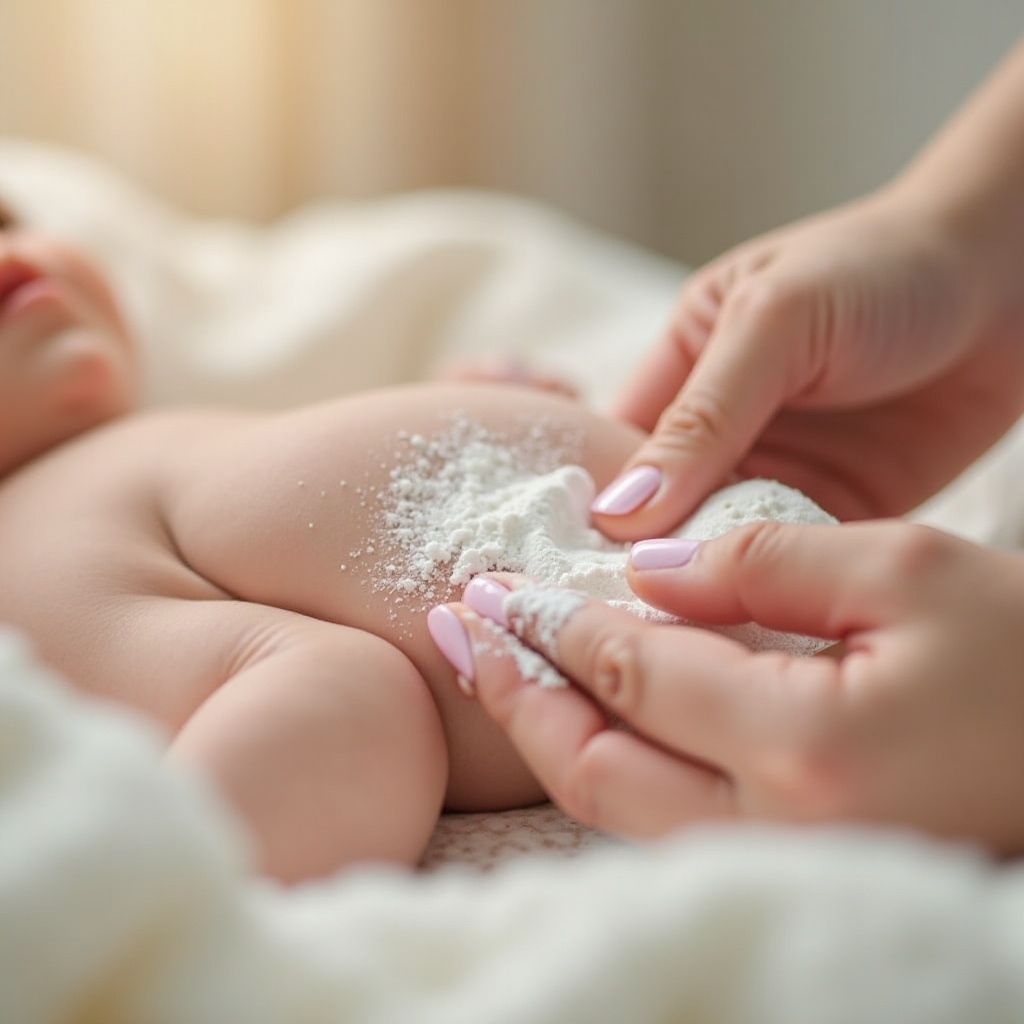
Baby powder is a personal care product often used to absorb moisture and reduce skin friction. Primarily composed of either talc or cornstarch, it helps keep the skin dry and forms a protective barrier, reducing chafing and irritation. With the basics covered, let’s delve into the types available, helping parents make informed choices about their application.
Types of Baby Powders
Primarily two types exist:
– Talc-based Baby Powders: Traditionally popular, derived from mineral talc.
– Cornstarch-based Baby Powders: Natural alternatives made from corn kernels.
Selecting the right type depends on individual considerations regarding safety and effectiveness, paving the way for exploring their pros and cons.
Key Ingredients
Beyond talc and cornstarch, baby powders may include:
– Zinc oxide for added protection against moisture.
– Aloe vera for soothing effects.
– Fragrances, though natural options are preferable to avoid allergies.
By comparing ingredients, parents find what best suits their child’s needs.
Benefits of Baby Powder for Diaper Rash
Using baby powder provides several benefits such as:
– Keeping moisture levels down, crucial in preventing rash formation.
– Building a barrier against skin friction resulting in minimized irritation.
– Easing discomfort through soothing agents like aloe vera.
These palpable advantages demonstrate baby powder’s role in maintaining a healthy and rash-free diaper area.
Moisture Absorption
Baby powder helps absorb excess moisture, pivotal in hindering bacterial growth and rash formation. Keeping the skin dry proves essential.
Prevention of Skin Chafing
Reducing chafing through minimal friction highlights baby powder’s preventive capabilities. Establishing this defense forms a proactive approach to diaper rash management, transitioning into understanding any associated risks.
Risks and Safety Concerns
Despite numerous benefits, baby powder faces scrutiny, particularly talc-based ones due to inhalation risks. Understanding baby powder’s potential effects empowers parents to prioritize safety while weighing its benefits against risks.
Talc vs. Cornstarch
- Talc: Inhalation may pose respiratory concerns.
- Cornstarch: Safer for infants due to fewer respiratory risks.
Opting for cornstarch-based powders alleviates traditional concerns while retaining benefits, furnishing parents with safer choices.
Reducing Inhalation Risks
Parents can minimize risks by:
1. Applying at a safe distance from the baby’s face.
2. Pouring powder into hands before direct application.
Taking these precautions ensures safe integration of baby powders into diapering routines.
How to Use Baby Powder Safely for Diaper Rash
Harnessing baby powder’s benefits involves safe practices:
1. Ensure the diaper area is clean and dry before powder application.
2. Apply sparingly to prevent powder buildup.
3. Follow cautious application steps to prevent inhalation.
These steps allow smooth incorporation of baby powder effectively while ensuring safety.
Proper Application Techniques
Effective application requires:
– Steady, gentle motions to avoid powder displacement.
– Limiting powder use in well-ventilated areas.
Coupled with suitable techniques, these help maximize benefits while reducing risks.
Frequency of Use
Consider applying powder during active hours with frequent diaper changes to counteract moisture, linking this guidance naturally to alternative treatments.
Alternative Solutions for Diaper Rash
Baby powder is one option among various solutions like:
– Creams and Ointments: Offer extensive protection.
– Home Remedies: Techniques like oatmeal baths and natural oils mitigate discomfort.
By exploring alternatives, parents gain comprehensive tools, enhancing strategies for managing and preventing diaper rash effectively.
Creams and Ointments
Rich applications provide sustained protective coverage, employing active ingredients advantageous for healing sensitive skin.
Home Remedies
Natural alternatives include:
1. Oatmeal baths reducing inflammation.
2. Coconut oil providing light moisturizing.
Jaw offerings bolster traditional routines, transitioning seamlessly to the concluding thoughts.
Conclusion
Effectively navigating diaper rash management involves utilizing baby powder benefits alongside best safety practices. Parents can confidently choose the right product types and application techniques while considering alternative treatments. Embracing knowledge provides every child with tender care necessary to maintain healthy and happy skin.
Frequently Asked Questions
Is baby powder safe for newborns?
When used appropriately, particularly cornstarch-based powders, baby powder is safe. Ensure application methods prevent inhalation.
How often should I apply baby powder to my baby?
Use powder during regular diaper changes to control moisture. Adjust based on skin response and comfort.
Can baby powder cause allergies?
Fragranced powders might trigger allergies. Opt for fragrance-free formulations to mitigate allergy concerns.