
Introduction
Choosing the right diaper is crucial for parents who value health, sustainability, and savings. Cloth diapers provide an eco-friendly and effective alternative to disposables. Their growing popularity is a testament to their many benefits, which we’ll explore alongside practical tips for transitioning.
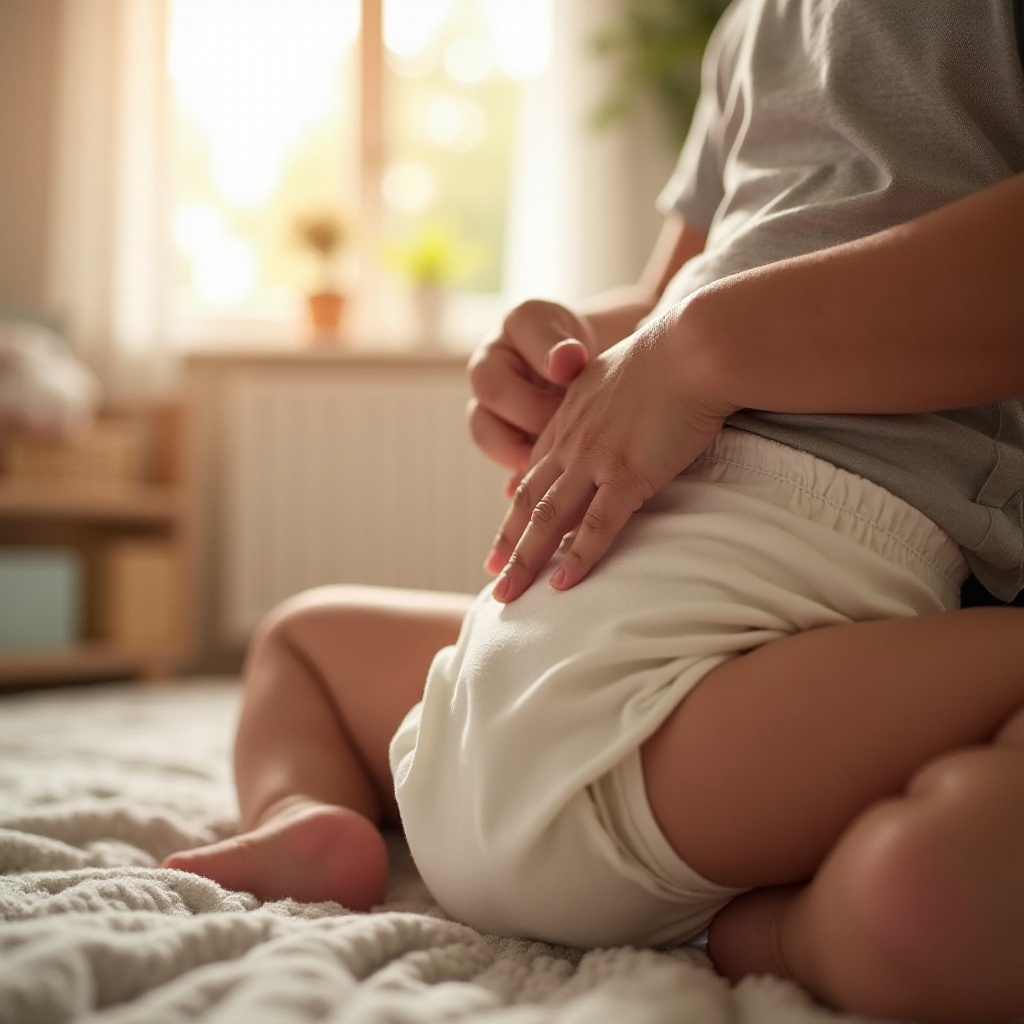
Environmental Benefits
Cloth diapers are a sustainable choice, reducing landfill waste compared to disposables. Unlike single-use diapers, reusable cloth diapers help minimize environmental impact. They play a vital role in conserving resources by requiring fewer raw materials for production and lasting longer than disposables.
Moreover, cloth diapers have a lower carbon footprint. Their multiple-use nature means fewer diapers are manufactured and disposed of, cutting down on greenhouse gas emissions. Parents who choose cloth diapers contribute significantly to a cleaner planet.
Health Benefits for Babies
One of the primary advantages of cloth diapers is their skin-friendly nature. Made from soft, breathable materials, these diapers avoid causing skin irritations, keeping your baby comfortable. The absence of harsh chemicals found in many disposables further enhances their safety.
Many parents report a reduction in diaper rash with cloth diapers, thanks to their breathable fabric. Air circulation prevents moisture buildup and reduces friction, ensuring a healthier diapering experience for your baby.
Economic Advantages
Cloth diapers prove cost-effective over time, offsetting initial expenses with long-term savings. Their reusable nature means parents save significantly compared to purchasing disposables regularly.
A wise investment, cloth diapers offer durability—many families only need to purchase them once or twice, providing substantial savings in the long run. Budget-friendly options abound, ensuring families can choose quality without breaking the bank.

Practical Tips for Cloth Diapering
Starting with cloth diapers involves selecting the right type according to personal preferences and budget. Choices include fitted, prefold, and all-in-one diapers, which cater to different needs.
Regular laundering is essential for maintaining cloth diapers. Efficient washing techniques can lessen effort while extending the product’s life. Parents should familiarize themselves with proper care methods.
Transitioning to cloth diapers might pose challenges like finding the right fit or managing leaks. With patience and advice from seasoned cloth diaper users, these problems become surmountable, turning cloth diapering into a manageable and rewarding experience.

Conclusion
Embracing cloth diapers is a positive step for eco-conscious parents who prioritize comfort and savings. They provide numerous benefits, offering a rewarding experience that aligns with sustainable living while addressing health and budget considerations.
Frequently Asked Questions
What are the primary benefits of switching to cloth diapers?
Switching to cloth diapers offers environmental sustainability, reduced chemical exposure, cost savings, and a healthier alternative for sensitive skin.
Are cloth diapers hard to maintain compared to disposable ones?
Cloth diapers require regular washing and care, yet many parents find maintenance manageable with routine practices. This effort often results in environmental benefits and savings.
How do I choose the right type of cloth diaper for my baby?
Choosing the correct cloth diaper depends on preferences, budget, and lifestyle. Options such as fitted, prefold, and all-in-one cater to diverse needs. Research each type to see what suits your family best.