
Moving into a new home often feels complete once the keys are handed over, but real readiness depends on careful follow-up checks. Everyday comfort and safety are shaped by details that are easy to overlook during showings or inspections. Previous usage habits, hidden wear, and unfamiliar systems can affect daily life sooner than expected. Addressing these issues early helps prevent disruptions and unnecessary stress. A thoughtful move-in process turns uncertainty into routine stability. In this article, essential checks and practical actions are explained to help new homeowners establish a safer and more reliable living environment.
1. Change All Locks and Secure Entry Points
Rekey or Replace Exterior Door Locks
Exterior door locks may have been accessed by previous residents, service workers, or temporary occupants. Rekeying or replacing locks removes uncertainty about who can enter the home. This step is especially important for front doors, back doors, and garage access points. Older locks may also be worn and less reliable over time. Addressing this early avoids relying on assumptions about past key control. Secure locks support both physical safety and everyday peace of mind.
Check Window Locks and Reinforce If Needed
Windows are common entry points that are often ignored during move-in checks. Locks may be loose, damaged, or outdated after years of regular use. Testing each window ensures it closes tightly and locks correctly. Ground-level windows deserve extra attention because they are easier to reach from outside. Reinforcement can also improve insulation and reduce drafts. Well-secured windows contribute to a more comfortable and secure home.
2. Install or Update Security Monitoring
Set Up Security Cameras at Key Points
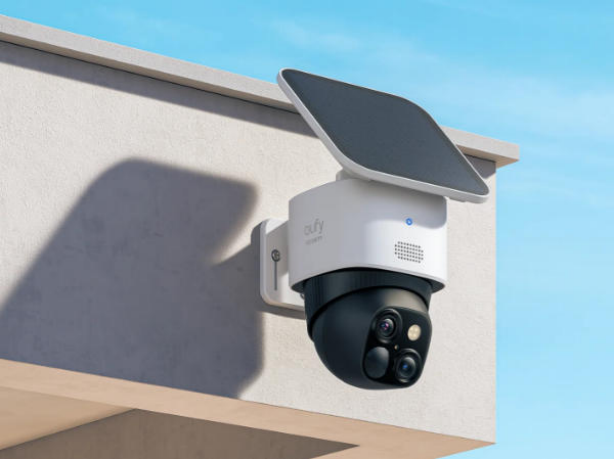
Key areas such as front doors, side entrances, driveways, and backyards benefit from clear visibility. Security cameras help monitor everyday activity and provide useful context when something unexpected occurs. Wireless outdoor options make installation easier and adapt to different home layouts, which is why solutions like eufy wireless outdoor security cameras are often considered for flexible placement without complex wiring. These systems support awareness while blending into daily routines rather than interrupting them. Proper positioning ensures cameras align with real movement patterns around the home. Consistent visibility adds an extra layer of reassurance during both busy days and quiet nights.

Test Alarm Systems and Motion Sensors
Alarm systems left by previous owners may not function as expected. Sensors can lose alignment or power during vacancy periods. Testing confirms that doors, windows, and motion zones trigger alerts correctly. Both daytime and nighttime conditions should be checked for reliability. False alarms can reduce trust in the system over time. Regular testing ensures monitoring remains dependable as household routines settle in.
3. Locate and Test Essential Home Systems
Find Water Shut-Off Valves and Electrical Panels
Knowing where water shut-off valves and electrical panels are located is essential during emergencies. Leaks or electrical issues escalate quickly when response time is delayed. Panels should be clearly labeled and easy to access. Testing breakers helps confirm they function properly under load. Familiarity with these systems reduces confusion during stressful moments. Early awareness supports more confident home management.
Test Smoke Detectors and Carbon Monoxide Alarms
Safety alarms are critical but often neglected after a move. Batteries may be missing, expired, or improperly installed. Testing ensures alarms are loud enough to be heard throughout the home. Placement near bedrooms and fuel-burning appliances is especially important. Carbon monoxide alarms protect against risks that are invisible and odorless. Reliable alarms significantly improve household safety.
4. Deep Clean Before Unpacking
Deep cleaning is most effective before furniture and boxes fill the space. Empty rooms allow access to floors, corners, vents, and surfaces that are usually hard to reach. Cleaning removes dust, allergens, and residues left behind by previous occupants. Kitchens and bathrooms deserve extra attention due to hygiene concerns. This process also helps reveal hidden maintenance issues such as stains or minor leaks. Starting with a clean environment supports healthier daily living from the beginning.
5. Document and Inspect Your New Home
Take Photos of Each Room for Reference
Photos create a clear record of the home’s condition at move-in, serving as a neutral baseline for all parties. This documentation helps track changes over time, distinguishing normal wear from new damage. Images are particularly useful for insurance purposes and long-term maintenance planning. Taking photos before unpacking avoids visual obstructions and captures the full scope of each space. Clear records support accountability and clarity in communications with landlords or insurers. Organized documentation ultimately simplifies future decisions, making it an indispensable first step in responsible home management.
Note Any Existing Damage or Needed Repairs
Minor damage may not seem urgent during the excitement of moving in, but it can escalate if neglected. Writing issues down prevents them from being forgotten later and creates a formal point of reference. Early notes help prioritize repairs logically, ensuring safety and structural issues are addressed first. Addressing problems early often reduces long-term costs by preventing further deterioration. These records are also invaluable when coordinating with landlords, service providers, or contractors, providing clear evidence of pre-existing conditions.
Conclusion
Moving into a new home is an important transition that extends beyond unpacking belongings. Early attention to security, systems, and documentation creates a stronger foundation for daily life. These checks reduce risks and support smoother routines over time. Practical preparation does not require advanced skills, only patience and consistency. A well-prepared home supports comfort, safety, and confidence. Careful move-in habits help transform a new space into a dependable place to live.