
Introduction
Stepping into the world of clear audio communication starts with the right headset. Whether for professional meetings or immersive gaming, headsets with noise cancelling microphones deliver unparalleled listening and speaking experiences. As virtual interaction becomes more prevalent, it’s vital to choose equipment that ensures clarity and reduces distractions. This guide navigates through essential features and benefits, helping you select the ideal headset in 2024.
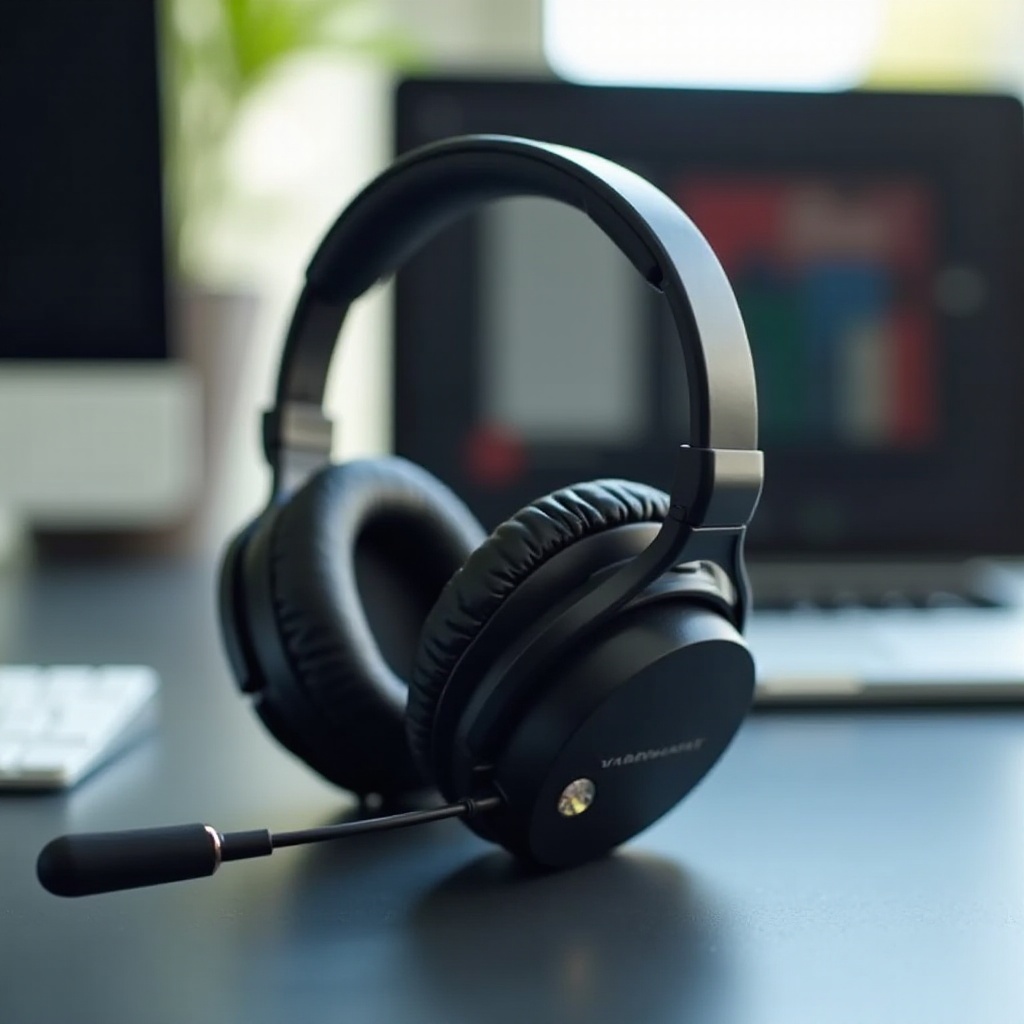
Understanding Noise Cancelling Microphones
What is Noise Cancelling Technology?
Noise cancelling technology actively reduces ambient sounds, utilizing both electronic and physical methods. Active noise cancellation (ANC) identifies incoming sounds and produces a counter-signal, while passive methods rely on design elements to muffle noise.
Types of Noise Cancellation: Passive vs. Active
Active noise cancellation is ideal for continuous low-frequency sounds, such as engines, providing peace in travel or busy workplaces. Conversely, passive noise cancellation blocks higher-frequency sounds through physical barriers. For the ultimate experience, many headsets combine both methods, offering comprehensive noise reduction for nearly any environment.
Recognizing the differences in noise cancellation types aids in picking a headset tailored to your specific needs. Now, let’s explore why these headsets are a crucial investment.
Benefits of Using Headsets with Noise Cancelling Microphones
Enhanced Audio Clarity
For clear, crisp audio, noise cancelling microphones perform exceptionally by filtering out background noise, ensuring only your voice is captured with minimal interference. This is particularly advantageous for remote professionals who rely on seamless communication.
Improved Focus in Noisy Environments
These headsets create an audio haven, allowing users to concentrate effectively, even in noisy surroundings. This focus boost is beneficial in diverse environments, lending to productivity and immersion whether at work or in play.
Versatility for Professional and Personal Use
The adaptability of these headsets is unmatched, thriving in both professional settings and personal entertainment. Users enjoy high-quality voice and audio performance that supports a wide range of activities from video calls to music streaming.
With these benefits in mind, let’s delve into the critical features that help you make an informed purchase decision.
Key Features to Look for in a Noise Cancelling Headset
Audio Quality and Microphone Performance
Superior audio fidelity highlights a distinguished headset. Seek models that offer clear sound and effective microphone output. A well-designed microphone with active noise cancellation ensures your voice remains unobstructed by ambient noise.
Comfort and Ergonomic Design
Comfort levels are pivotal for prolonged use. Opt for models featuring lightweight structures, adjustable headbands, and cushioned ear cups to guarantee ergonomic support, reducing strain during extended wear.
Battery Life and Connectivity Options
A robust battery ensures consistent performance over extended periods; aim for models providing at least 15-20 hours of use. Also, prioritize headsets that present diverse connectivity like Bluetooth, wired, or USB to align with your devices.
Equipped with these features, let’s now evaluate the standout headsets of 2024.
Top 3 Headsets with Noise Cancelling Microphones in 2024
Headset 1: Features, Pros, and Cons
- Features: Ergonomic design, 25-hour battery life, active and passive noise cancellation, high-fidelity audio
- Pros: Excellent noise reduction, very comfortable, robust connectivity
- Cons: Premium pricing
Headset 2: Features, Pros, and Cons
- Features: Superior microphone quality, lightweight construction, hybrid ANC technology
- Pros: Outstanding voice clarity, portable, good battery efficiency
- Cons: Limited color options
Headset 3: Features, Pros, and Cons
- Features: Extensive connectivity options, adaptive sound profiles, sleek design
- Pros: Adaptive noise cancellation tuning, seamless device switching
- Cons: Slightly bulkier design
After exploring the top models, maintaining your headset becomes the next priority to ensure it serves you well over time.
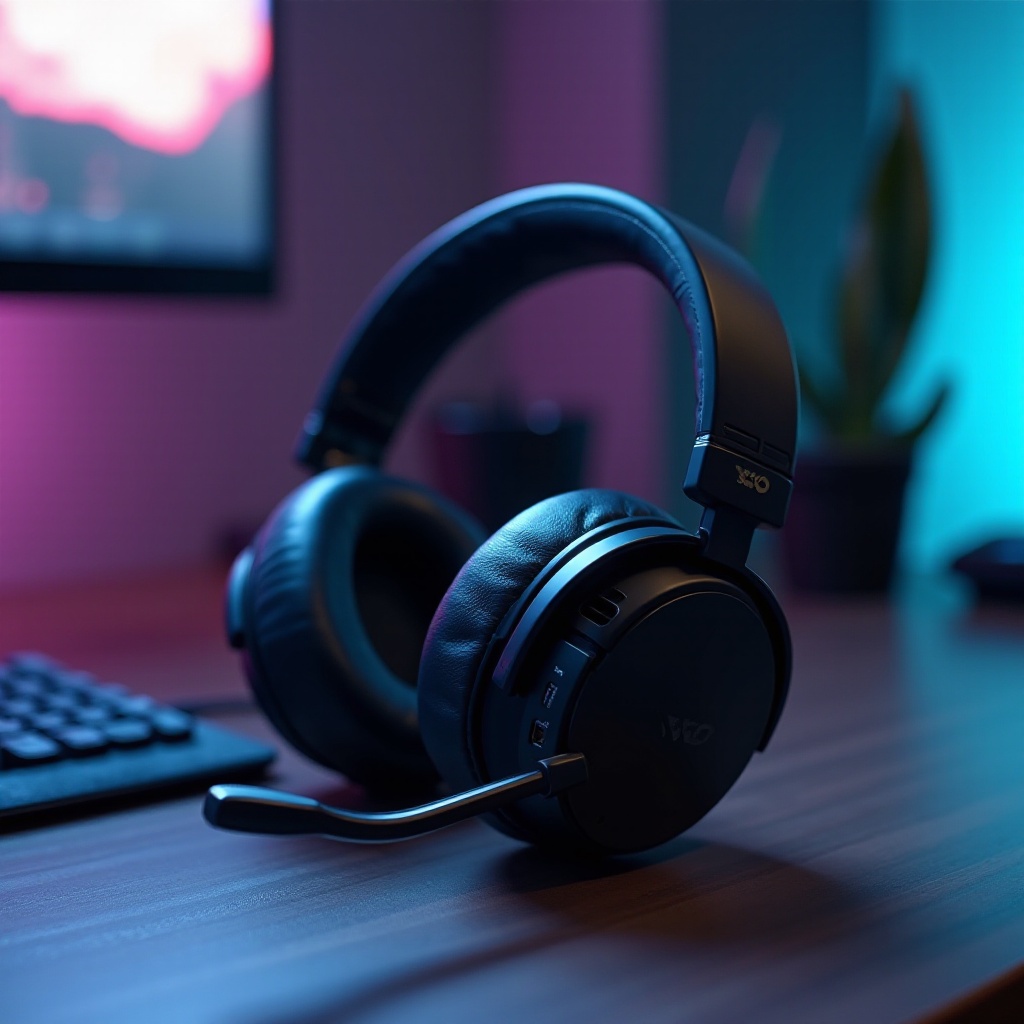
How to Maintain Your Noise Cancelling Headset
Cleaning and Storage Tips
- Regularly clean ear cups and microphones with a soft, dry cloth to remove dirt and oils.
- Store the headset in a cool, dry environment, ideally within a protective case, to prevent damage from dust and physical impact.
Troubleshooting Common Issues
- Keep device software and firmware updated for optimal functionality.
- If experiencing connectivity or audio issues, try resetting the headset or re-pairing with your device.
Consistent maintenance and troubleshooting enhance the longevity and performance of your headset.
Conclusion
Choosing a headset with a noise cancelling microphone elevates your professional and personal audio encounters. These devices improve clarity, offer comfort, and boost productivity, cementing their place in the tech toolkit for 2024. Invest wisely to enjoy uninterrupted, pristine soundscapes.
Frequently Asked Questions
What is the difference between passive and active noise cancellation in headsets?
Passive cancellation uses physical barriers to block noise, while active cancellation uses technology to counteract sound waves.
How often should I charge my noise cancelling headset?
Recharge as advised by the manufacturer, typically after 15-20 hours of use, to ensure consistent performance.
Are noise cancelling headsets worth the investment for remote work?
Yes, they enhance communication clarity and focus, reducing ambient noise distractions for a productive work-from-home environment.