
Introduction
Roku TVs, known for their streaming capabilities, can occasionally face overheating challenges. Excessive heat affects performance and lifespan, emphasizing the importance of temperature checks. Understanding the underlying causes and how to perform an effective temp check can help mitigate these issues. Implementing preventive strategies ensures your TV operates smoothly without the risk of overheating.
Common Causes of Roku TV Overheating
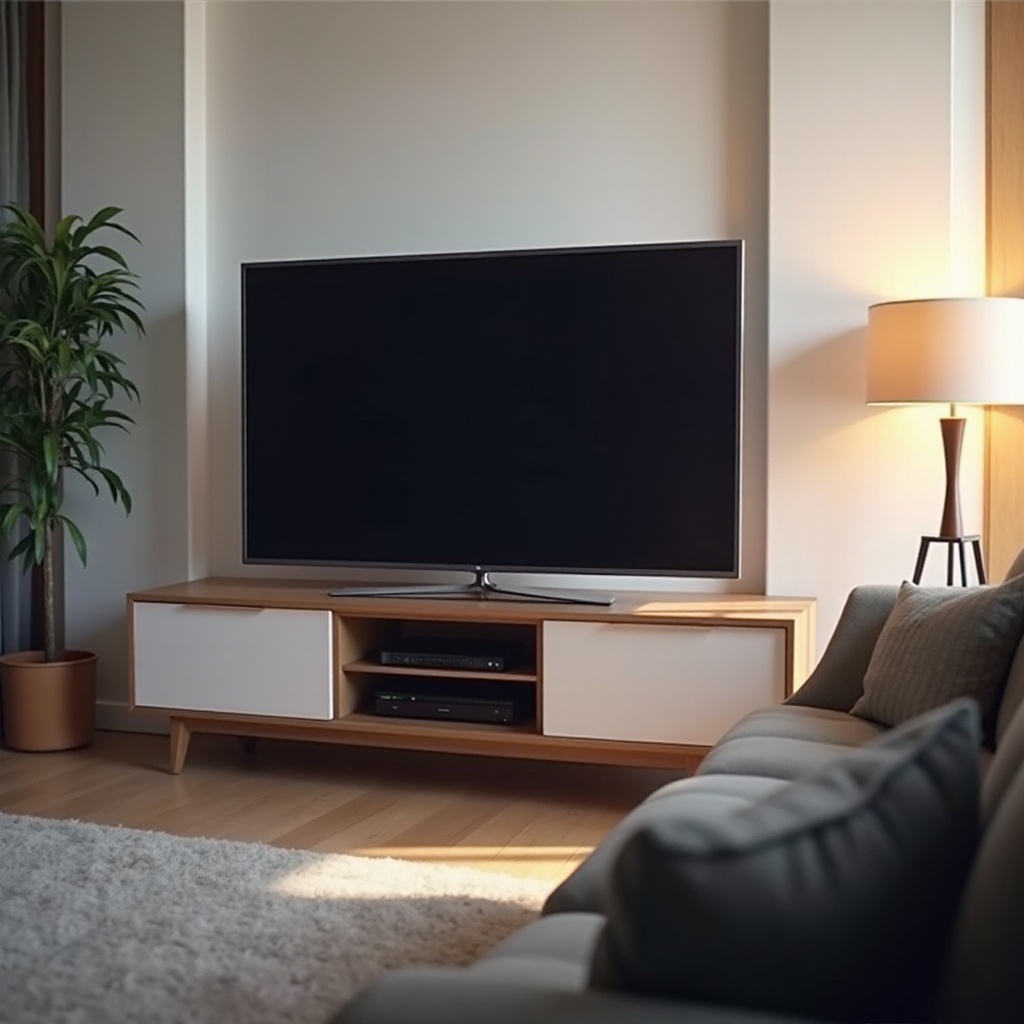
Roku TVs are prone to overheating when subjected to specific conditions. A primary cause is insufficient ventilation, as TVs require ample space to dissipate heat. If positioned near heaters or in direct sunlight, your TV can absorb excessive heat, exacerbating overheating issues. Moreover, general elevated room temperatures can further stress your TV components.
Understanding these factors sets the foundation for comprehending how temperature checks can play a critical role in maintaining an optimal environment for your device.
How to Conduct a Temperature Check on Your Roku TV
Regular temperature monitoring is essential. Here’s how to perform checks effectively:
-
Roku’s Built-In Diagnostics: You can often find diagnostic settings in the menu, providing insight into temperature status.
-
Watch for Overheating Signs: Symptoms like performance lag or unexpected shutdowns often indicate overheating.
-
Use External Tools: Consider tools specifically designed to monitor electronics’ temperature and provide alerts for overheating.
Once you understand how to check temperatures, integrating solutions becomes much easier. These prevent problems before they escalate and enhance performance significantly.
Effective Strategies to Prevent Roku TV Overheating
Preventive measures are key in safeguarding your Roku TV from overheating:
-
Optimize Placement and Ensure Ventilation: Ensure your TV is positioned to allow air circulation. Avoid enclosing spaces and locate the TV away from heat sources.
-
Regular Cleaning and Maintenance: Dust buildup can hinder airflow. Regularly clean your TV and especially its vents to facilitate cooling.
-
Install External Cooling Devices: Cooling fans designed for electronic devices can effectively reduce heat levels, prolonging the lifespan and maintaining the efficiency of your TV.
Implementing these strategies fosters a healthier environment for your Roku TV, enhancing its longevity and performance.

Additional Tips for Maintaining Optimal TV Performance
To ensure comprehensive maintenance, consider these added tips:
-
Moderate Room Temperature: Regulating your room temperature using fans or air conditioning can prevent external heat from affecting your TV.
-
Limit Prolonged Use: During intense streaming sessions, consider taking breaks to lower the heat stress on your TV.
-
Update Software and Firmware: Regular updates ensure your TV runs efficiently, potentially addressing any overheating bugs or performance issues.
These practices ensure that your Roku TV remains in top condition and reduces the chances of future overheating.

Conclusion
Preventing Roku TV overheating is essential for its sustained optimal performance. By recognizing causes, conducting proper temperature checks, and applying strategic solutions, you can significantly enhance the lifespan and efficiency of your device. Consistent maintenance and temperature regulation are key factors in achieving this balance, allowing you to enjoy uninterrupted streaming sessions.
Frequently Asked Questions
How can I tell if my Roku TV is overheating?
Signs of an overheating Roku TV include performance slowdowns, unexpected shutdowns, and the unit feeling excessively hot to the touch.
What should I do if my Roku TV keeps shutting down unexpectedly?
Check for overheating signs. Ensure your TV is well-ventilated, clean, and consider using external cooling fans to reduce heat.
Are there specific external cooling products recommended for Roku TVs?
There are various cooling fans designed specifically for electronics. Choose models tailored for TVs to ensure compatibility and efficiency.